This AI repo says it can reverse engineer anything.
The catch? Understanding isn't permission
REA says your coding agent can reverse engineer almost anything, and it passed 380,000 GitHub stars. What its README, its showcase and its own disclaimer actually say.
- Claim
- Reverse engineer anything?
- Catch
- READ THE DISCLAIMER
- Verdict
- A microscope, not a copier
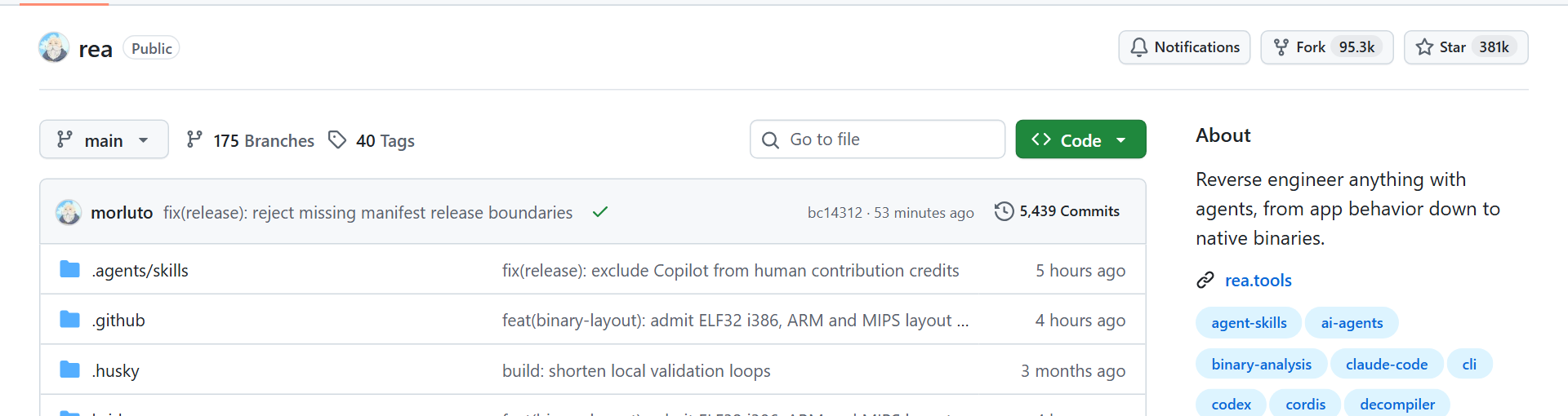
REA, short for "Reverse Engineer Anything," was one of the fastest-growing repos on GitHub in October 2026: 380,933 stars on October 25 since it was created on April 14, with 78,562 of them in the previous seven days. The promise is in the name. We read the README, the project's showcase, and its own disclaimer and security notes.
What it is
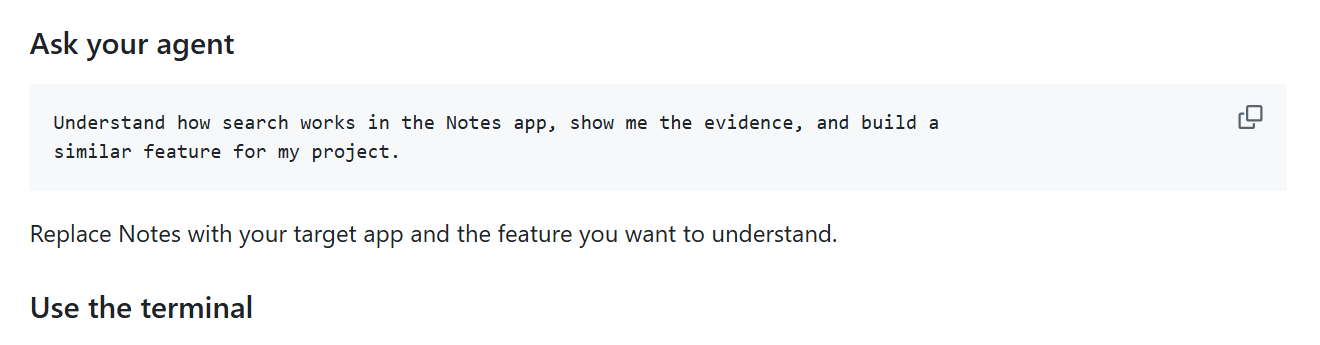
REA is an MCP server, a tool your coding agent can call. It works with Claude Code, Codex, Cursor, Gemini CLI and others, it's MIT-licensed, and it sets up with npx rea-agents setup. You then ask your agent questions about software you don't have the source code for, like how a particular feature works inside an app.
How it works
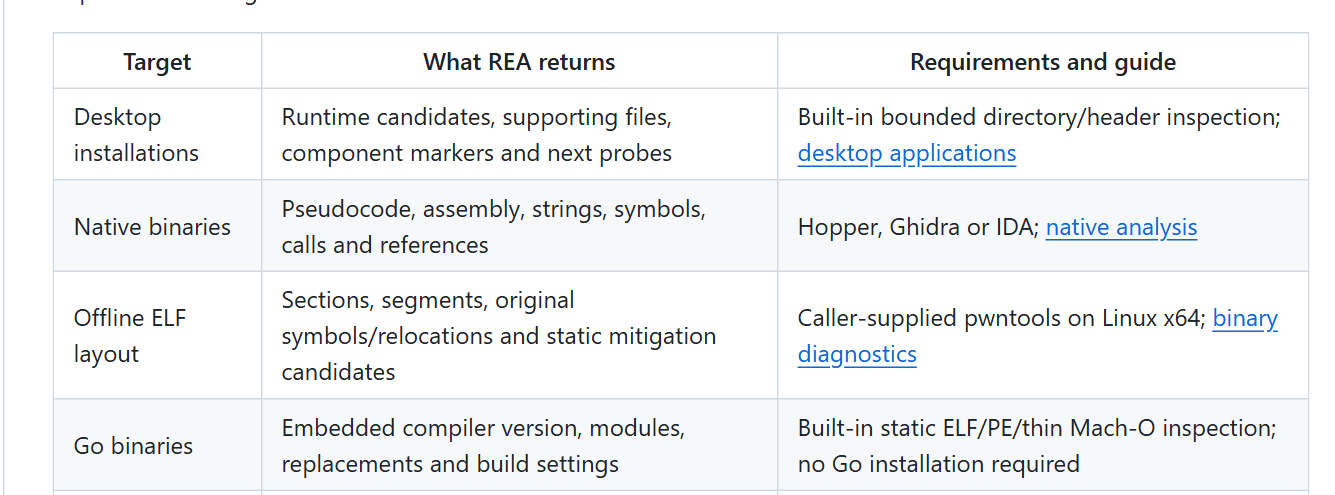
For native binaries, REA drives a decompiler (Hopper, Ghidra or IDA) and hands your agent pseudocode, assembly, strings, symbols and cross-references. It also reads JavaScript and Electron apps, .NET assemblies, Android APKs, websites and more: the README's "What you can analyze" table lists 36 target types. Analysis runs locally, and results come with the evidence behind each conclusion, so you can check the reasoning instead of trusting a summary.
The proof
The showcase on rea.tools takes one function from the old game DX-Ball, a calculation that pans sound left or right, and rebuilds it in C. Two checks back it up:
- The rebuilt function passes 3,205 behaviour cases run against the original x86 function: every position from 0 to 640, at five pan scales.
- Compiled with the same pinned VC4.0 toolchain, it reproduces all 63 bytes of the original compiled function.
That's a strong, verifiable result. It's also one small function from a larger reconstruction project that's still ongoing, not proof that any app can be rebuilt end to end.
The catch
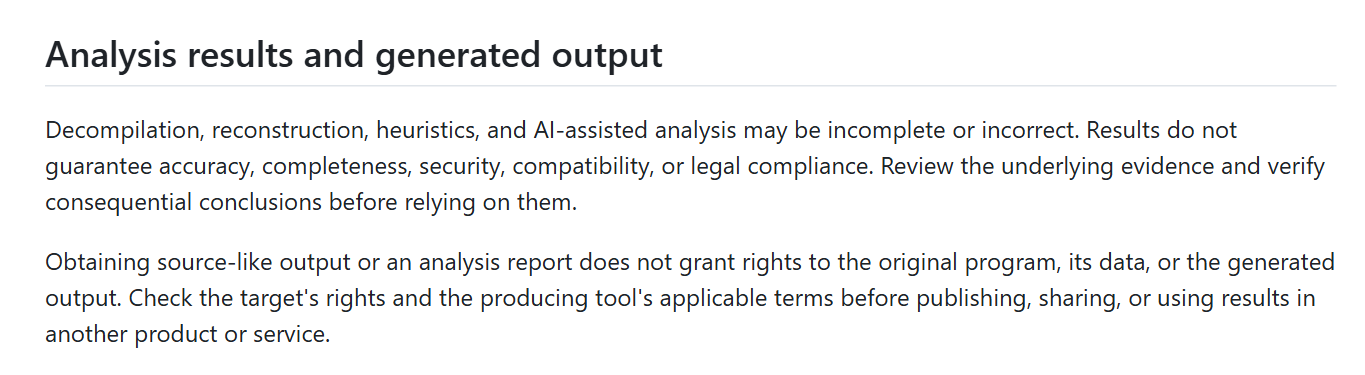
The catch comes from the project itself. Its disclaimer says decompilation, reconstruction and AI-assisted analysis "may be incomplete or incorrect," so verify before you rely on anything. SECURITY.md says REA is not a sandbox: opening an untrusted binary hands it to your local analysis tools with your user's permissions. Getting source-like output grants you no rights to the original program, and reverse engineering may be restricted by law where you live or by the license of the software you analyze. The project says it won't help with cracking DRM, cheats or copying proprietary code. And commercial decompilers like IDA and Hopper need licenses of their own.
Should you use it?
For understanding software you own or are allowed to study, it's a powerful microscope. It isn't a copy machine, and nothing here is legal advice. Since it isn't a sandbox, keep untrusted files away from the machine you work on.
SOURCES
- morluto/rea README, DISCLAIMER.md and SECURITY.md (github.com/morluto/rea), MIT license; stars and creation date via the GitHub API, October 25, 2026.
- GitHub Trending, weekly view, October 25, 2026 (78,562 stars this week).
- "DX-Ball: reconstruct a sound-pan calculation," REA showcase (rea.tools/showcase/dx-ball).
Not affiliated with REA or its maintainers. Only analyze software you own or are authorized to examine. Educational content, not legal advice.


